Virtual Reality for Stress Reduction: A Calm Mind in Immersive Worlds

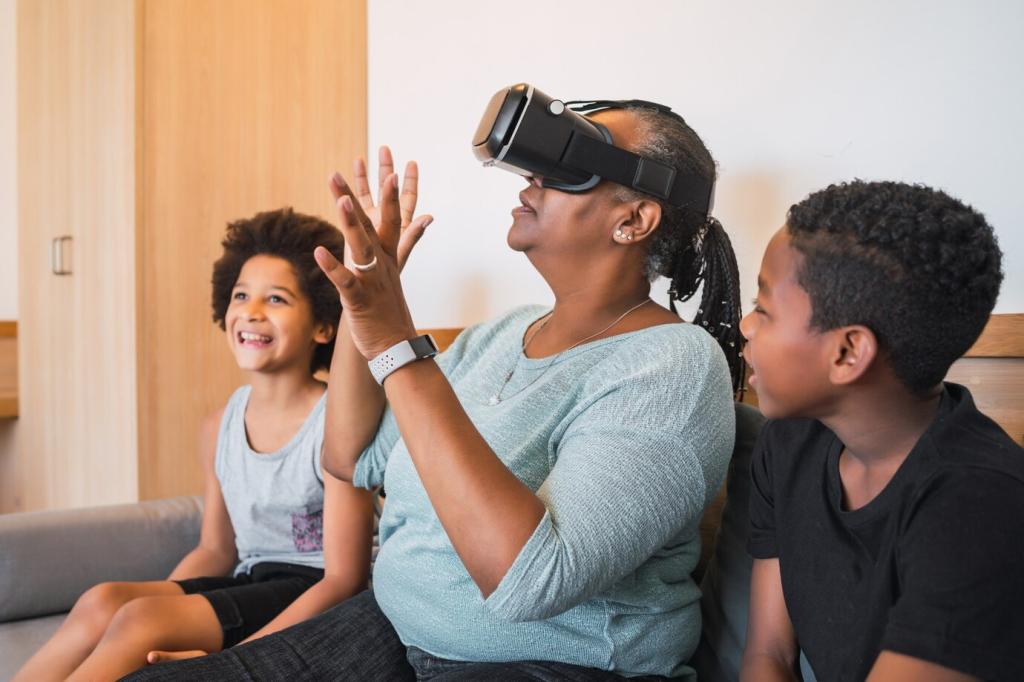
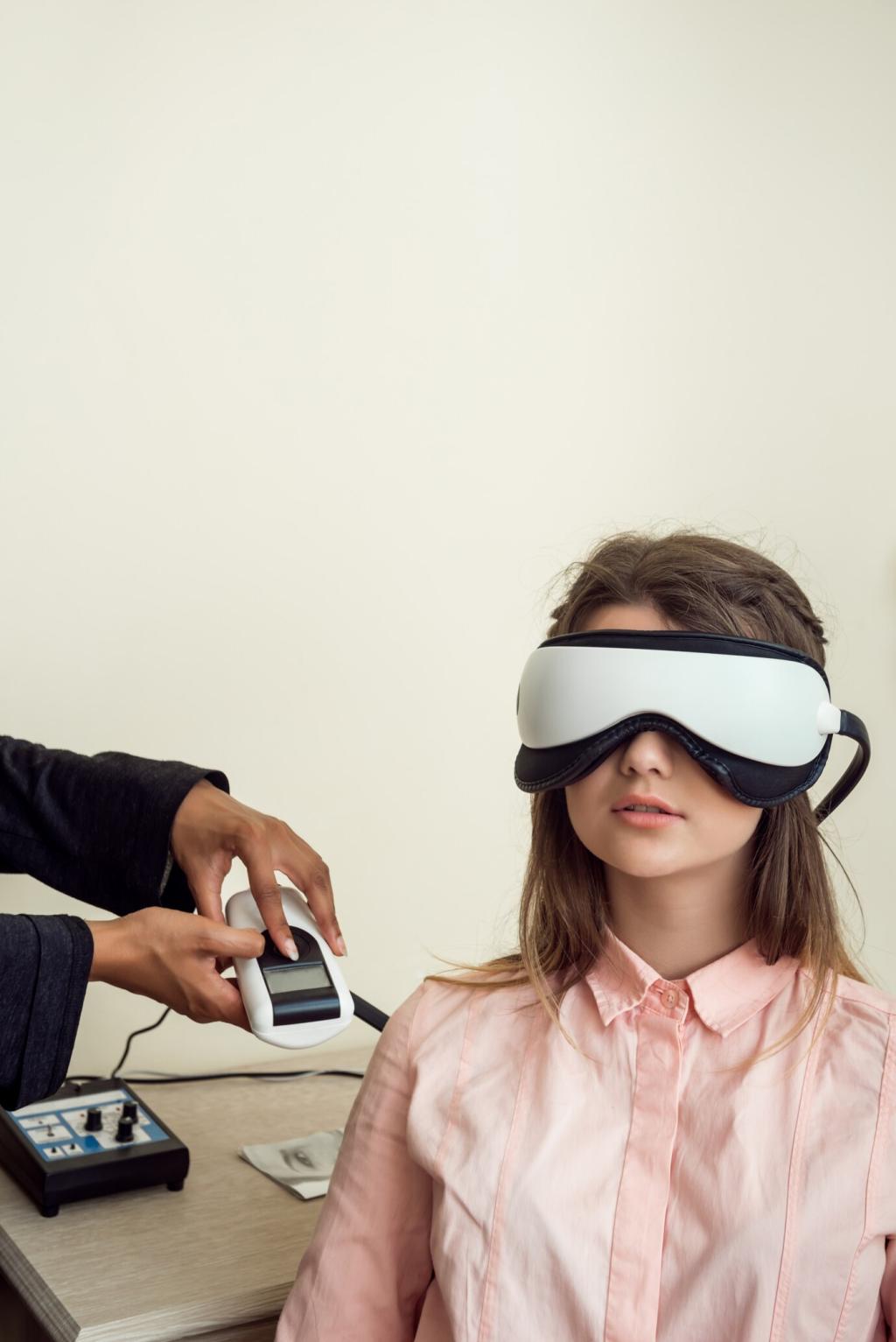
Chosen theme: Virtual Reality for Stress Reduction. Step into restorative spaces where guided experiences, soothing soundscapes, and gentle interaction help you unwind, breathe easier, and reclaim focus. Explore science-backed techniques, personal stories, and practical routines designed to make calm feel accessible—anytime you put on a headset. Subscribe, comment, and share what helps you most so we can grow this supportive community together.

The Science of Calm: How VR Lowers Stress

Immersive visuals shift attention away from stress triggers, offering controllable, predictable environments that signal safety. When your brain perceives fewer threats, your body follows with slower breathing, loosened muscles, and a quieter, more receptive mind.

The Science of Calm: How VR Lowers Stress

A growing body of research links VR relaxation experiences with reduced perceived stress and anxiety. Nature simulations, paced-breathing visuals, and mindful presence exercises repeatedly show short sessions can produce meaningful relief without complex learning curves.

Getting Started: Headsets, Spaces, and Simple Routines

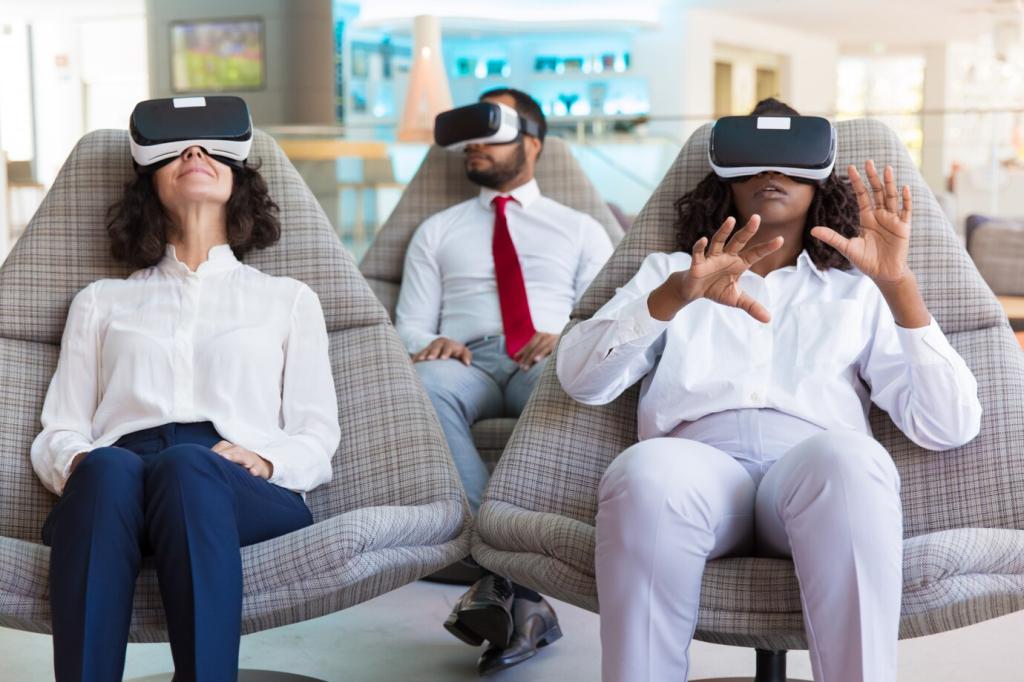
Look for lightweight headsets with comfortable straps, easy setup, and quick access to relaxation apps. Standalone models reduce friction, while adjustable lenses and soft facial padding help you stay longer without discomfort or distraction.

Getting Started: Headsets, Spaces, and Simple Routines

Pick a quiet corner, dim the lights, and keep a supportive chair nearby. Silence notifications, set a gentle timer, and stack small comforts—a glass of water, blanket, or lavender oil—so your brain associates the ritual with decompression.

Mindfulness, Breathwork, and Biofeedback in VR

Paced animations teach techniques like box breathing and 4-7-8 with visual anchors that keep rhythm intuitive. As you inhale, glowing orbs expand; as you exhale, they drift, signaling your nervous system it is safe to unwind now.

Nature Immersion: Digital Forests and Oceans That Soothe

Lush greenery, gentle water, and distant horizons encourage soft fascination—just engaging enough to hold attention, yet light enough to release tension. These elements are linked with lower stress and improved mental clarity across many contexts.

Nature Immersion: Digital Forests and Oceans That Soothe

Choose scenes to match your needs: a quiet forest for rumination, a coral reef for wonder, alpine sunrise for renewal. Notice textures, colors, and tempo—slow ripples or drifting mist—then tailor your favorites into a personal calming playlist.

VR at Work: Micro-Breaks That Actually Reset You

Use focused micro-breaks between tasks: one minute of grounding, three minutes of breathing visuals, one minute of re-entry planning. This pattern transitions your nervous system from frazzled to ready, reducing error-prone multitasking spikes.

VR at Work: Micro-Breaks That Actually Reset You

A support team rotated ten-minute VR calm breaks during peak hours. Within a month, they reported steadier calls and fewer post-shift headaches. Anonymized check-ins showed improved mood and smoother handoffs across stressful transitions.

VR at Work: Micro-Breaks That Actually Reset You

Frame VR breaks as proactive risk reduction. Emphasize focus recovery, reduced burnout signals, and quick adoption. Ask colleagues to share experiences in the comments, and subscribe to receive a concise proposal template you can tailor for leadership.

VR at Work: Micro-Breaks That Actually Reset You

Lorem ipsum dolor sit amet, consectetur adipiscing elit. Ut elit tellus, luctus nec ullamcorper mattis, pulvinar dapibus leo.

Beyond Relaxation: Sleep and Anxiety Support

Set a fifteen-minute ocean cove session with warm hues and minimal interaction. Follow with gentle stretching and journaling. Keep brightness low, anchor a slow breath, and carry that softness directly into bed without reactivating screens.

Beyond Relaxation: Sleep and Anxiety Support

Ground yourself with sensory check-ins guided by the scene: five things you see, four you feel, three you hear. Recenter with paced exhalations and compassionate prompts, reminding your brain that sensations are waves that rise and pass.

Accessibility, Ethics, and Community

01
Prioritize seated experiences, snap-turns, and clear subtitles. Offer color-blind friendly palettes and audio descriptions. Encourage frequent breaks and adjustable session lengths so every person can find the right level of immersion and stability.
02
Choose apps with transparent data policies, strong encryption, and offline modes. Limit sharing of sensitive wellness metrics to essentials. Your relaxation should never require sacrificing control over personal information or mental health signals.
03
Share questions, wins, and gentle tips in the comments so others can learn. Suggest topics you want covered next, and subscribe to receive new VR stress reduction guides, routines, and community stories straight to your inbox.
Myteacherlovescoffee
Privacy Overview

This website uses cookies so that we can provide you with the best user experience possible. Cookie information is stored in your browser and performs functions such as recognising you when you return to our website and helping our team to understand which sections of the website you find most interesting and useful.